
Side by Side
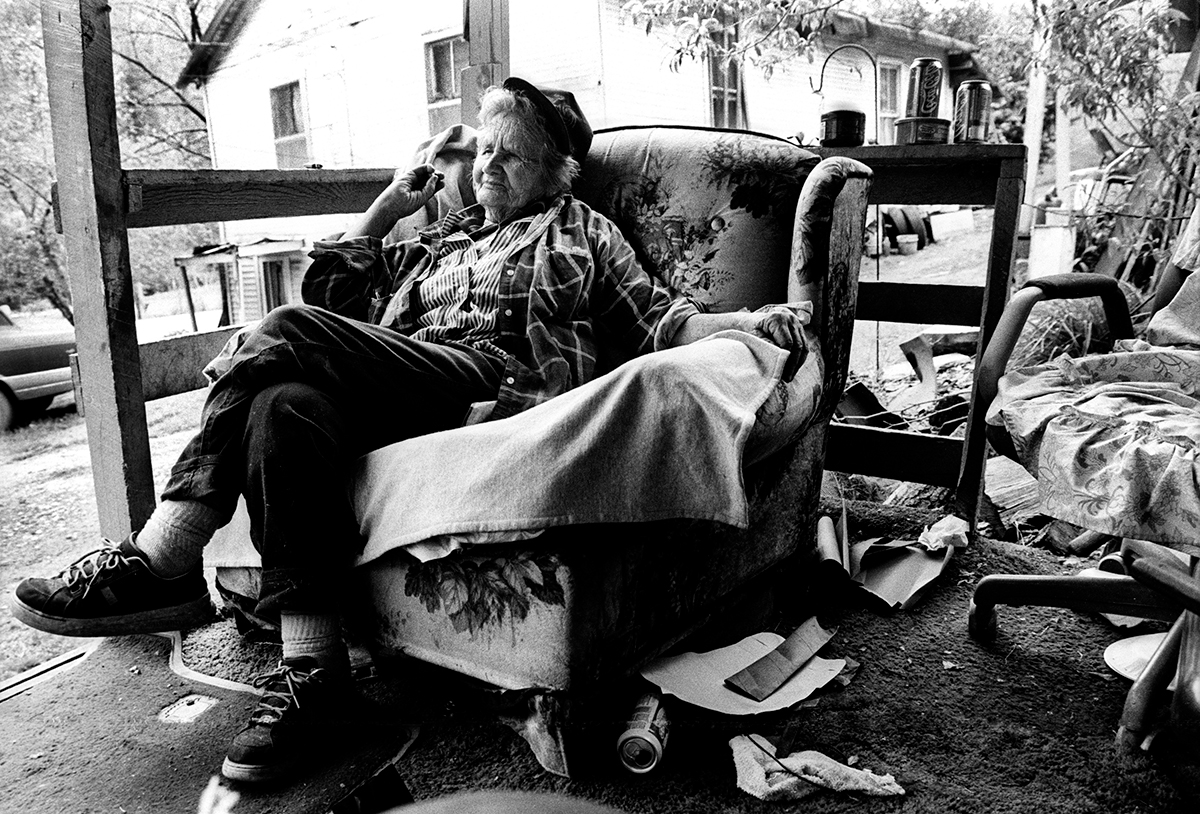
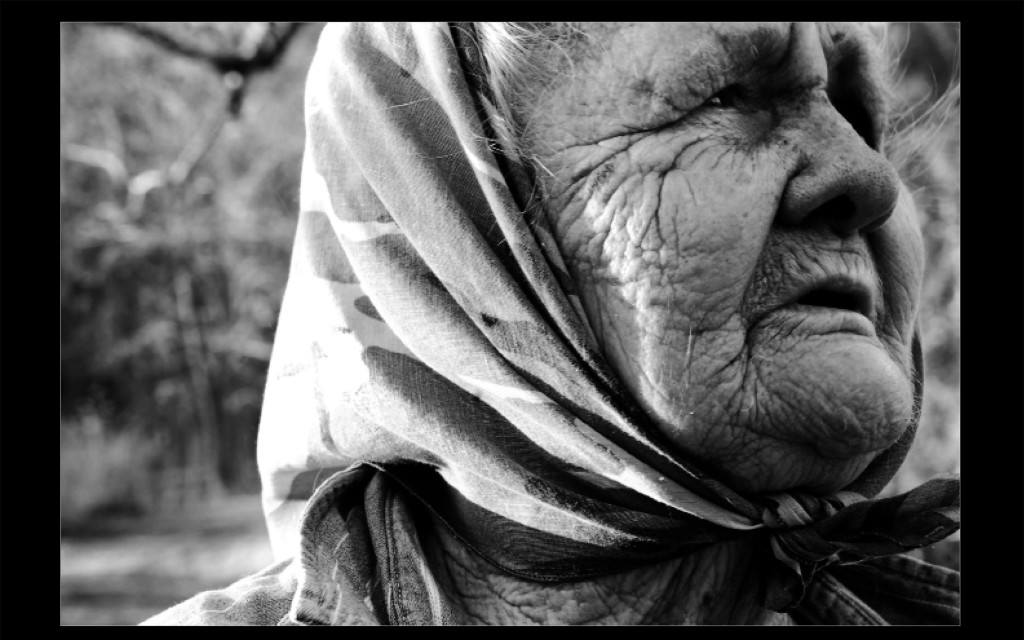
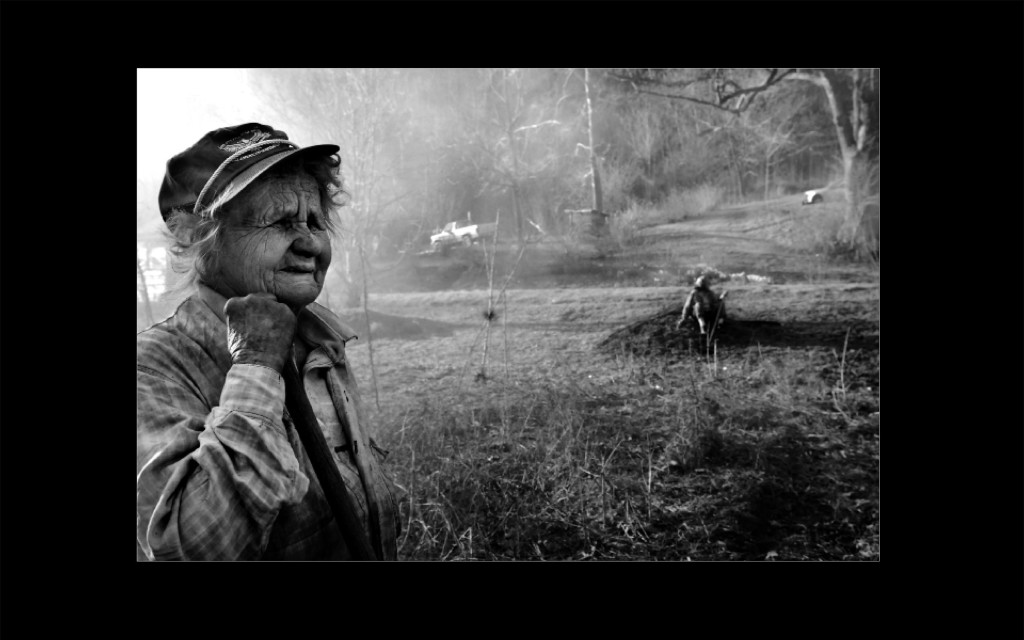
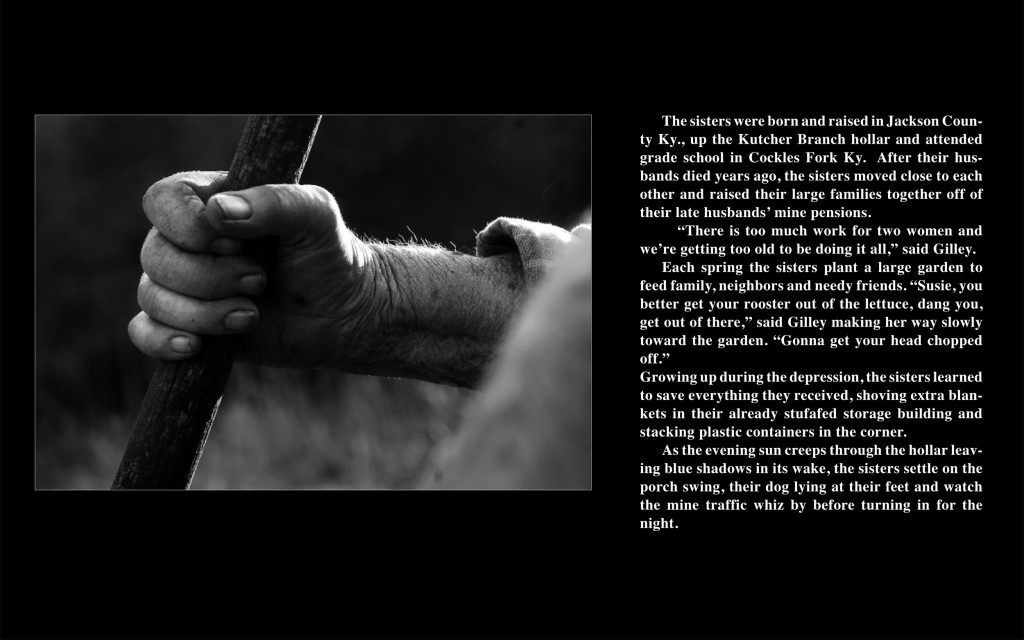
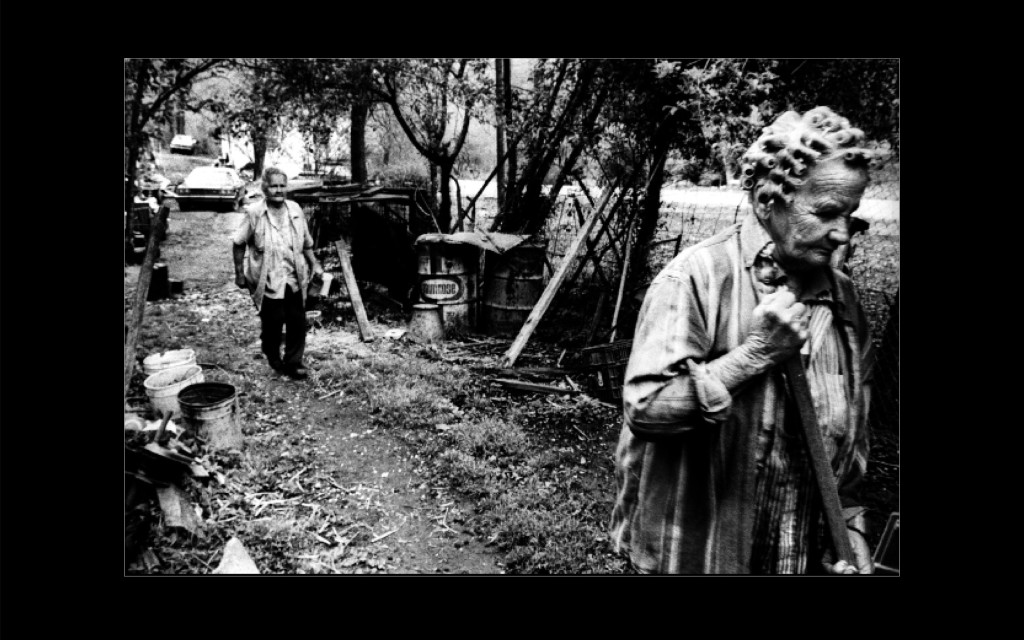
Each morning, Cora Gilley, 83, wakes with the rooster and makes her way to the spring, where water flows from the mountain. She fills used milk jugs to carry home. Nearby, her sister, Susie Noble, 81, steps outside with empty jugs tucked under her arm. Her graying red hair is wound tightly in curlers, and a homemade walking stick steadies her steps.
“Morning.”
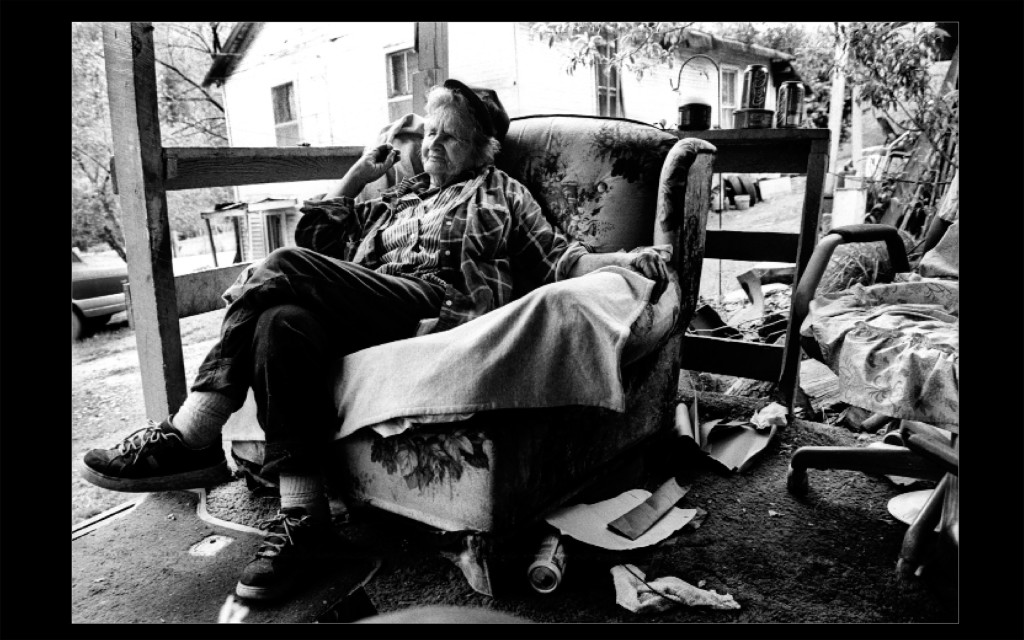
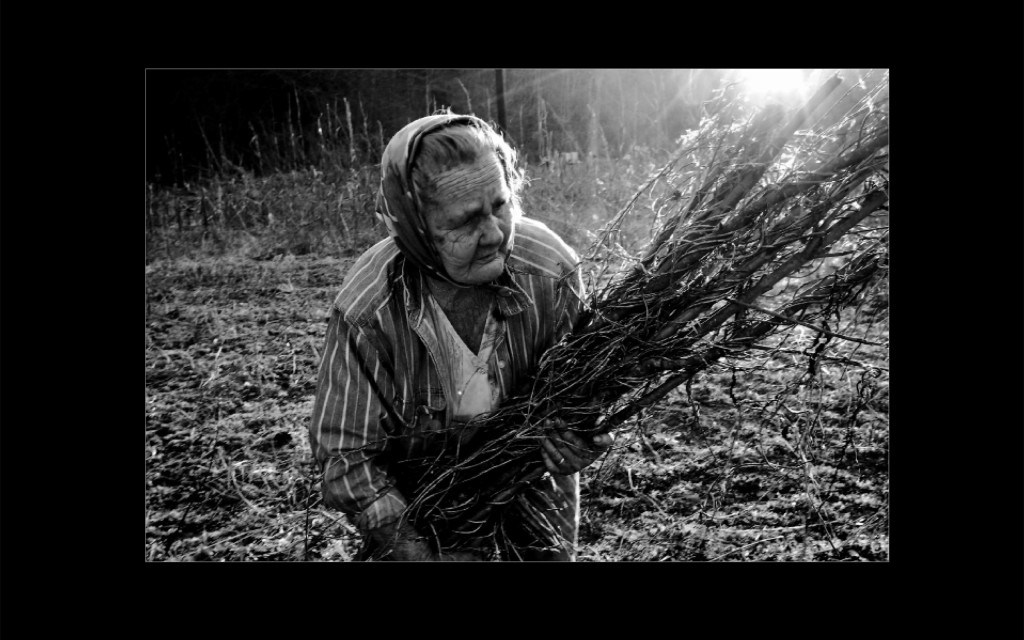
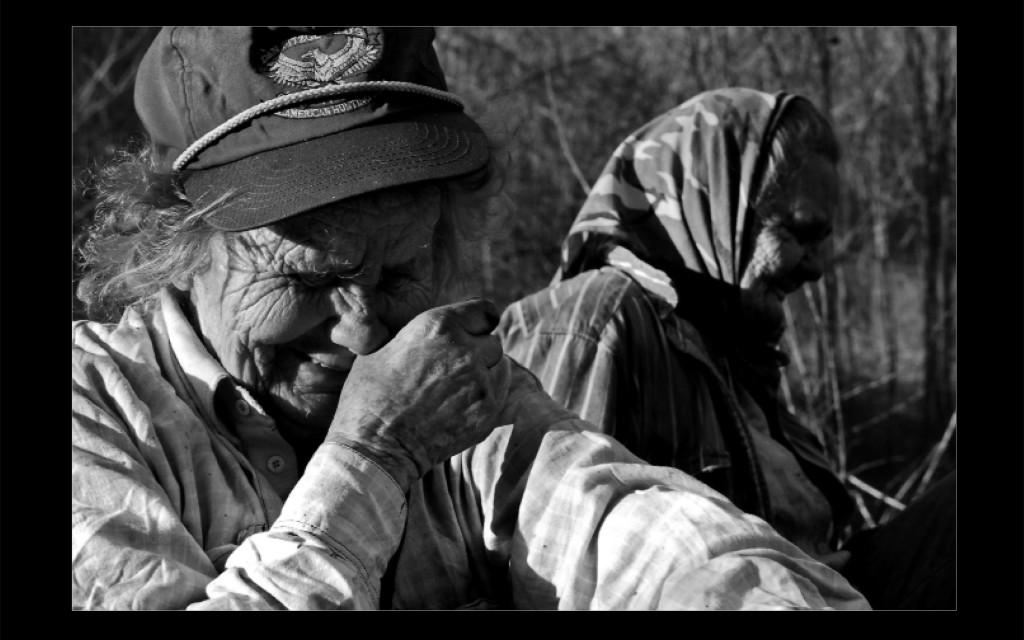
In this eastern Kentucky hollow near Whitesburg, the sisters have lived beside each other for 30 years. They have helped one another raise families, endured widowhood, and weathered cancer and the deaths of children. Their days are shaped by the work of keeping their households going—and by the companionship of having a sister next door.
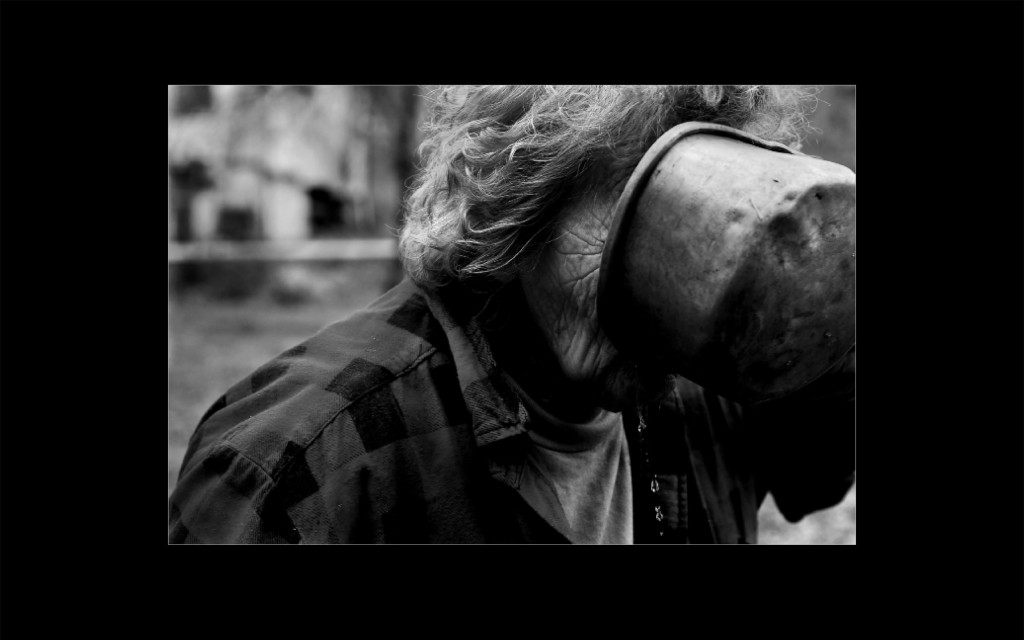
Neither home has running water. Their wells became polluted decades ago, leaving the sisters dependent on the mountain spring for water they can drink. Collecting and carrying it is a daily necessity, one that grows more demanding with age.
“There is too much work for two women and we’re getting too old to be doing it all,” Gilley said.
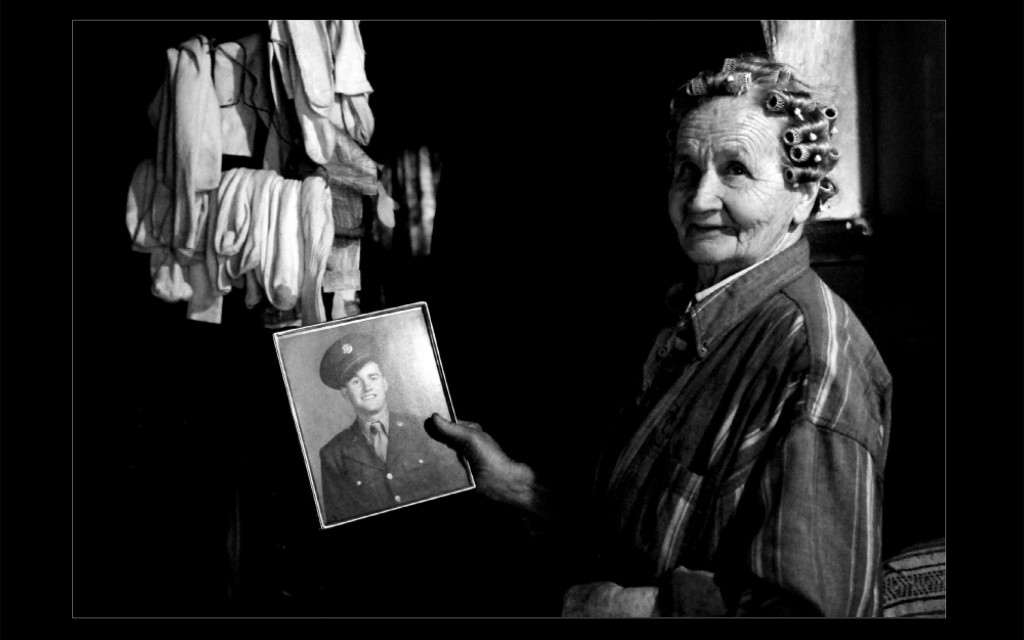
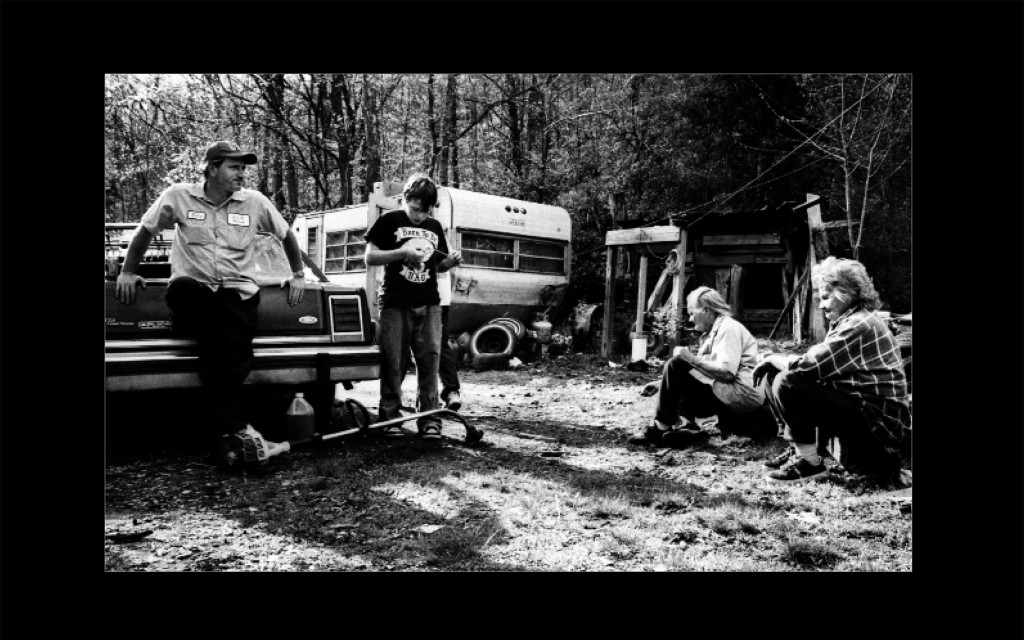
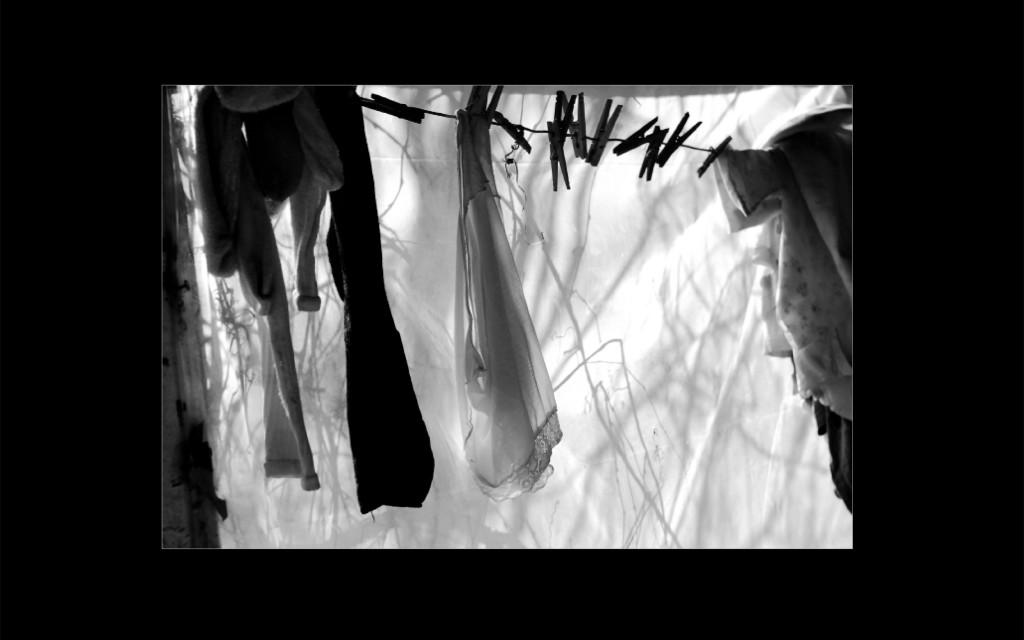
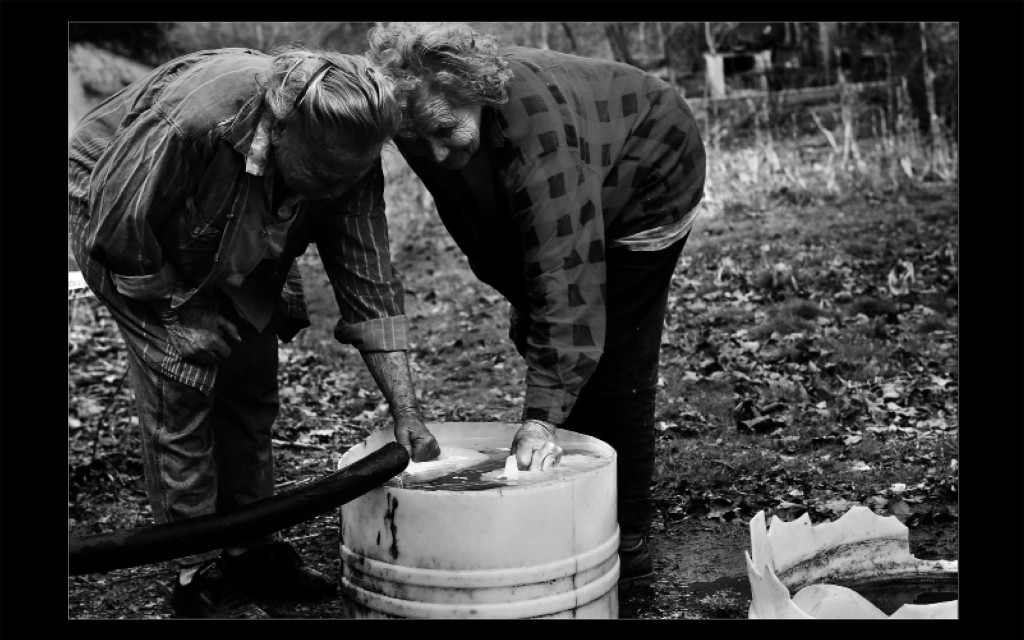

Inside, a wall clock marks the hours. Coal gathered from a local mine heats their homes and fuels their cooking stoves. Their children help with weekly trips to town for groceries. After their husbands died, the sisters supported their families on their late husbands’ mining pensions.
“We didn’t have much back then, but we always made do with what we had,” Noble said. “We still don’t have much now, but a little is all we need.”
Raised in Kentucky during the Depression, the sisters learned to keep things they might need again. Extra blankets fill an already crowded storage building. Plastic containers are stacked in corners. Empty milk jugs become water carriers.
Each spring, they plant a large garden, growing food for themselves, their families, neighbors, and friends in need. Keeping the chickens out is another matter.
“Susie, you better get your rooster out of the lettuce,” Gilley calls as she makes her way toward the garden. “Dang you, get out of there. Gonna get your head chopped off.”
The humor shares space with grief. Noble has buried four sons.
“I have four boys laying down there in the graveyard,” she said, looking into the distance. “Two of them died right here on the same bed in the same year. That was one of the hardest years.”
Her sister has lived next door through those losses, close enough to share the daily work and the hours that follow it.
As evening light recedes through the hollow, blue shadows gather around the houses. The sisters settle onto the porch swing, their dog at their feet. They watch the mine traffic pass before turning in for the night.