
Before the First Bell
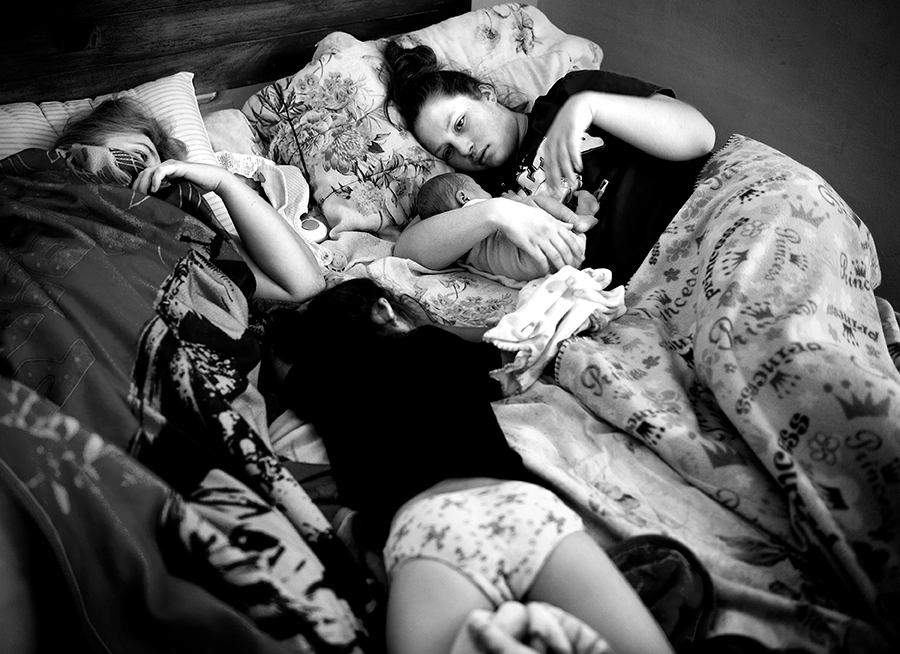
At 14, Jamie Norwood was preparing for motherhood while still sharing a bed with her own mother.
LOUISVILLE, Ky. — In the morning, Jamie Norwood tries not to wake her mother. She slips out of the bed they share, pulls back her hair with a pink headband and tugs a sweatshirt over her growing stomach. Then she heads for the school bus in her favorite Tinkerbell sweatpants, a Pop-Tart in one hand and prenatal vitamins in the other.
She is 14. Her son will be named Ethan.
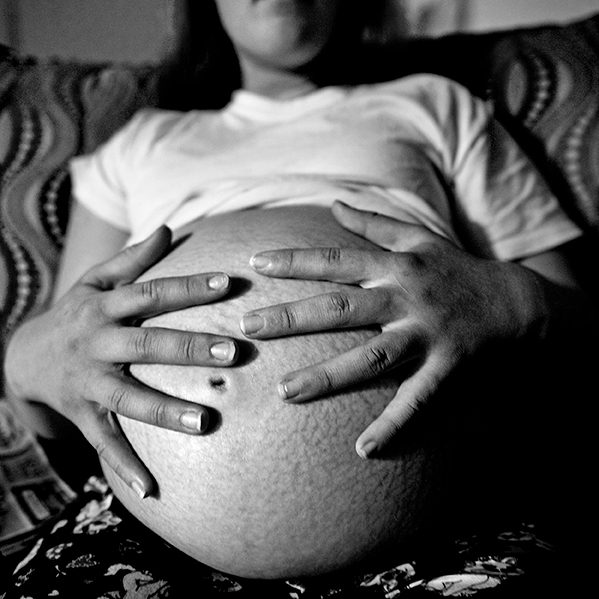
At middle school, her pregnancy has become part of the lunchroom conversation: stretch marks, due dates, prenatal appointments. Sometimes she shows her friends her stomach. Between the routines of adolescence, she is preparing for a responsibility few of those around her have experienced.
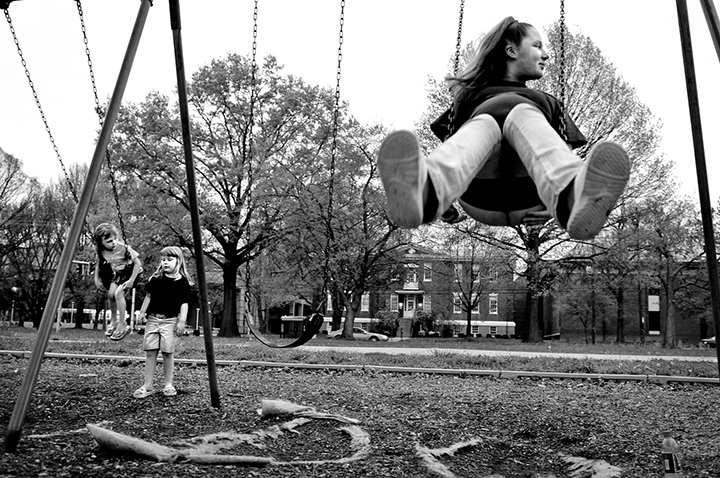
Over a year spent documenting Jamie’s life, the distance between being cared for and becoming a caregiver narrowed. Her experience offered an intimate view of teenage pregnancy in Kentucky — and of the questions behind it: what young people learn about sex, whom they can turn to when they need help, and what support exists when pregnancy changes the course of their education.
“Nobody talked to me about nothing, about sex,” Jamie said. “I don’t know if it would of changed anything if I had known how to protect myself.”

She had heard other students talk. She thought she understood enough. Pregnancy was something that happened to other people.
Then she felt something move.
“It felt like butterflies jumping around in my stomach,” she said. “It was kind a weird because in a way it tickled and sometimes it hurt.”
Frightened by the unfamiliar sensation, Jamie found an old human anatomy book in her older sister’s closet. Reading it, she began to understand that she might be pregnant — and that the pregnancy might be further along than she had imagined.
She kept it from her mother until she was 31 weeks pregnant.
“We are close, really close,” her mother, Rae Norwood, said. “She’s stuck to me like glue, she goes everywhere with me.”
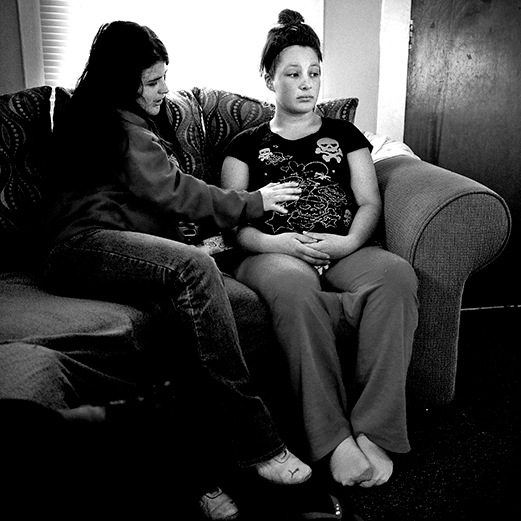
But closeness did not make the conversation easy. Jamie worried that her mother would be angry. She worried, too, about how her older brother Rae would react to the baby’s father. Eventually, she told Rae by text message from school.
“That was pretty shocking,” Rae said.
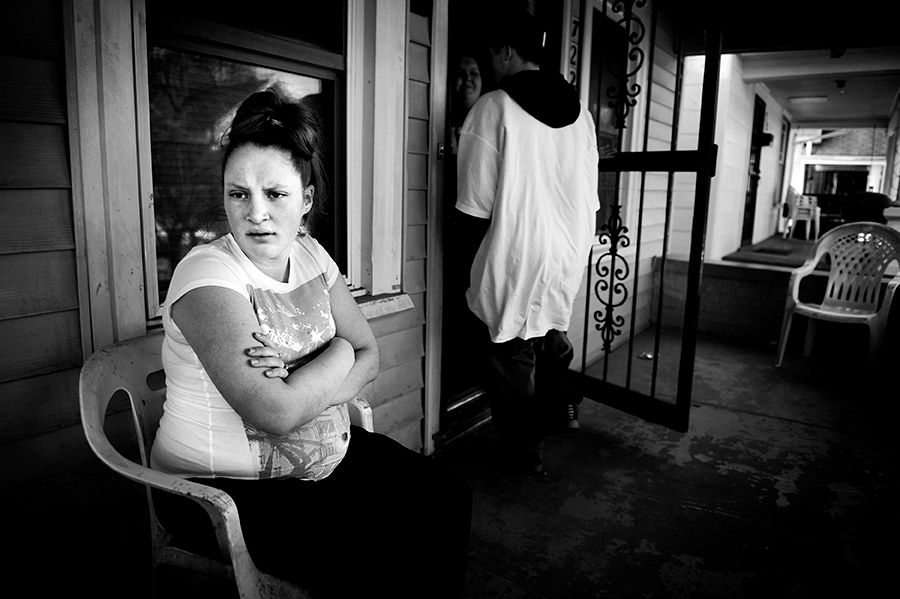
At Louisville’s Teenage Parent Program, teacher Roselyn Anderson worked with students navigating the demands of pregnancy and parenting alongside their schoolwork. The program provided child care and transportation to help them continue their education.
Those services addressed practical questions that pregnancy made urgent: Who would watch the baby during class? How would a student get to school?
“You’re thinking eighth grader? Pregnant? Mother? What in the world,” Anderson said.
In her classroom, the transition was unfolding before her.
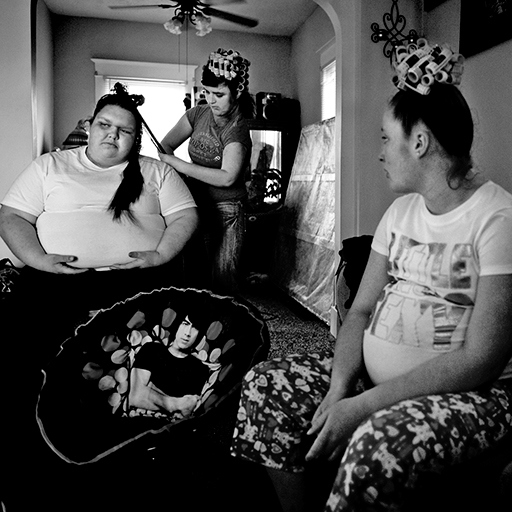
“They were little girls, little teenage girls when they came in, but now they’re going to be young mothers,” she said. “Life is kinda pushing them ahead.”
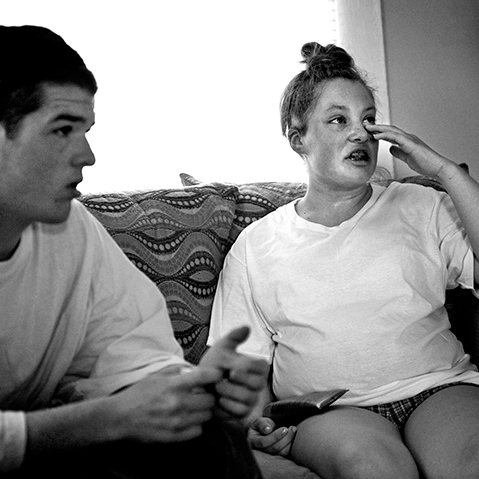
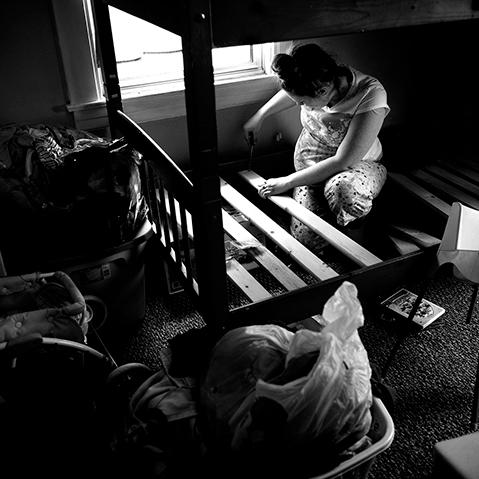
For Jamie, that future existed alongside familiar family obligations. One afternoon, after picking up her 6-year-old brother, Matthew, from day care for her mother, she watched him through the car window as he screamed and refused to get out. Soon, she would have a boy of her own to care for.
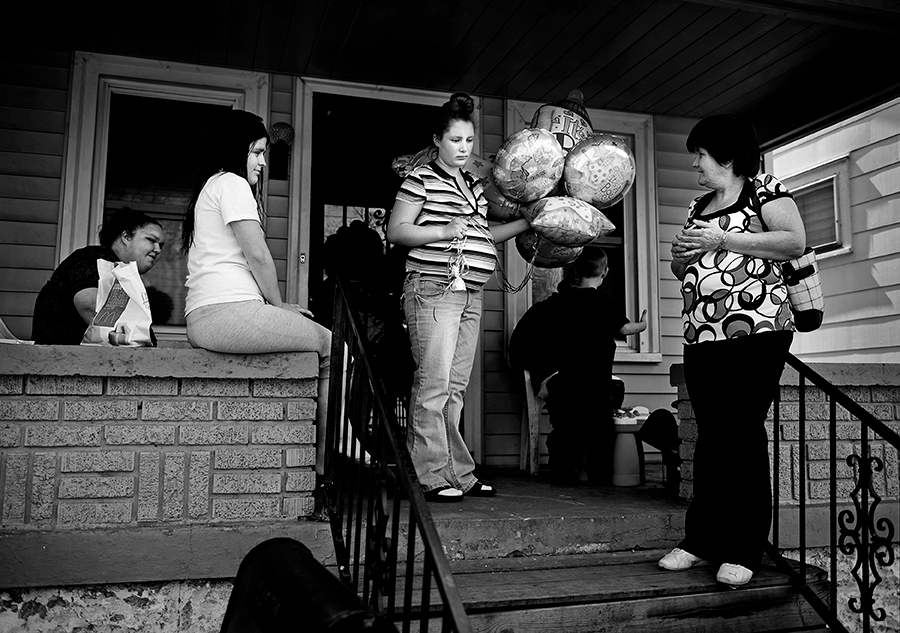
On another day, she stood on the porch holding balloons, surrounded by family preparing to leave for her baby shower.
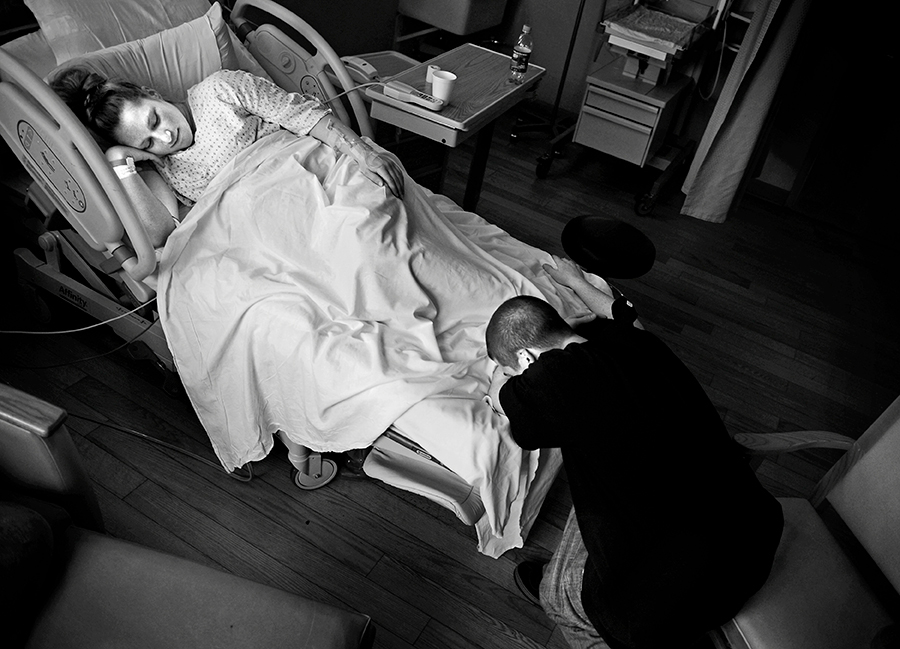
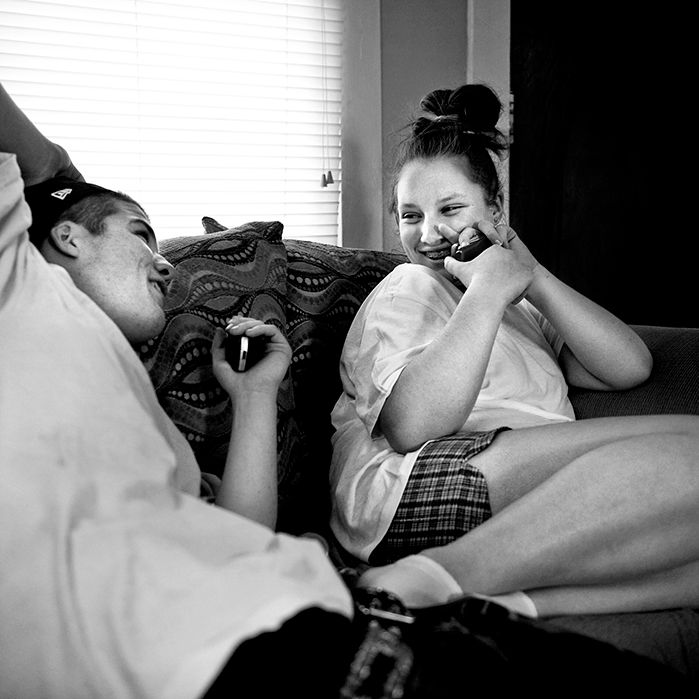
The baby’s father, Scotty, was 17. Jamie had known him for a little more than a year. When he arrived, she flushed and giggled, her mood lifting at the sight of him.
But she was clear about their relationship.
“We’re just good friends and I like how he treats me,” she said. “But he is not my boyfriend.”
Her affection came with doubts about whether he would be ready to parent.
“I don’t think he is ready for the baby to come, but I am,” she said.
When she imagined caring for Ethan, her mother was the person she counted on.
“If he don’t want to be here he don’t have to because I can do it with my mom.”
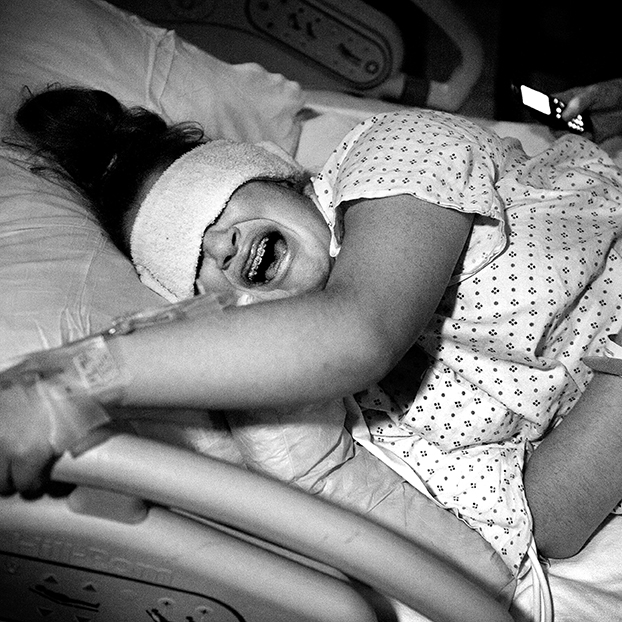
By nine months, Jamie was impatient. Resting on the couch after cleaning the house, she talked about labor with the confidence of someone who had yet to experience it.
“I’m just ready to go and see what it’s like and just get him here and get it over with,” she said. “But I’m not scared at all, I don’t think it could be that bad.”
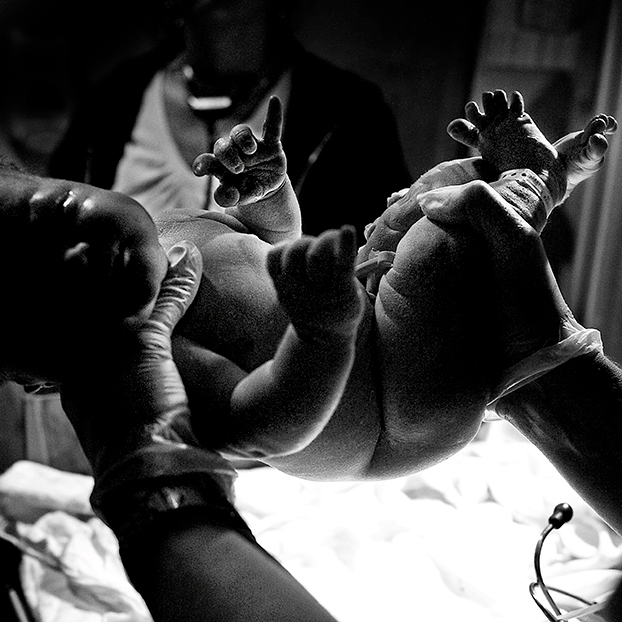
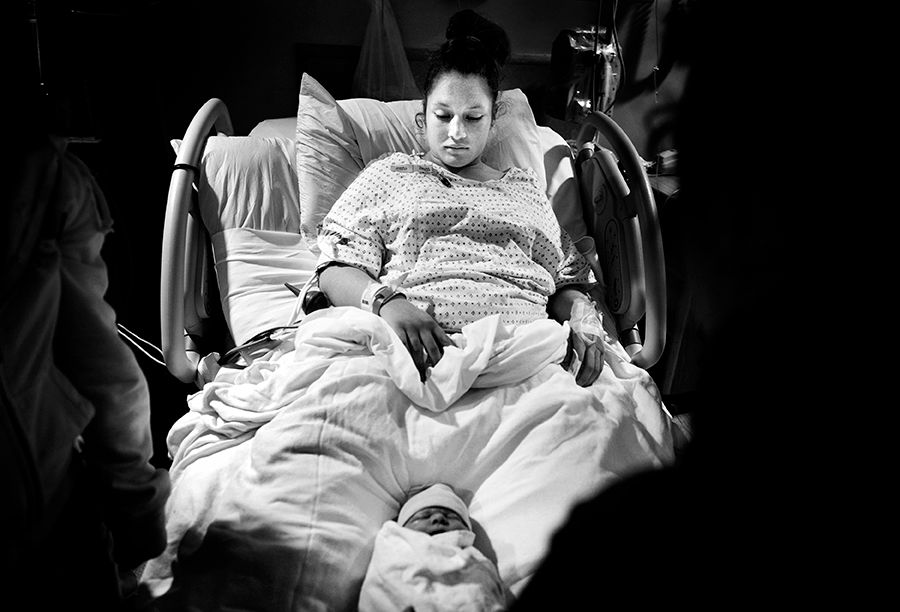
After Ethan arrived, there were nighttime feedings and diapers. Jamie was a mother. She still wanted to sleep beside her own.
“Jamie sleeps with me every night,” Rae said. “She thinks she’s big, but she’s not because when it’s time for bed she’s right there with her momma and now her baby is right there in between us every night.”